Used Electric Car Prices Depreciation: Why EVs Lose Value Faster in the U.S. (Complete 2026 Guide)
Learn about used electric car prices depreciation, EV resale value, and why electric vehicles lose value faster in the U.S. market.
Author
Super Admin
Published
3/27/2026
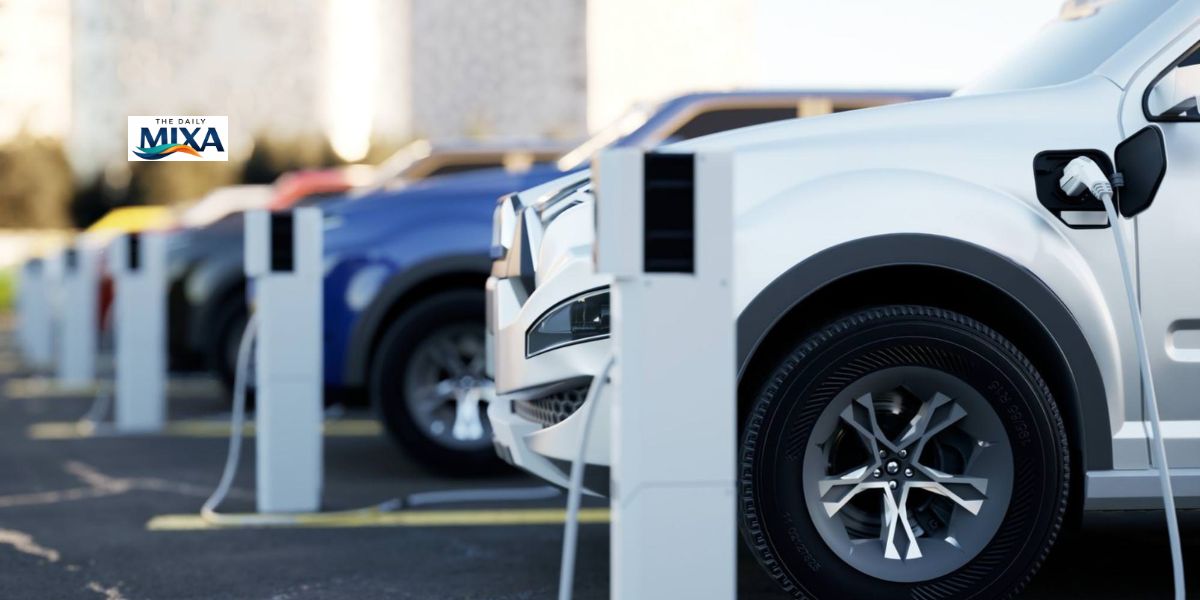
The growing popularity of electric vehicles in the United States has brought new attention to used electric car prices depreciation and how it affects buyers and sellers. While EVs are known for lower fuel and maintenance costs, they often lose value faster than traditional vehicles. This makes understanding EV resale value, electric vehicle depreciation rates, used EV prices, car value loss, and total cost of ownership more important than ever.
Many factors such as technology improvements, government incentives, and market demand play a role in this trend. For anyone considering buying or selling an electric car, knowing how depreciation works can help make smarter financial decisions.
What Is Used Electric Car Prices Depreciation?
Depreciation is the difference between what you pay for a car and what you sell it for later. In simple terms, it is the value a vehicle loses over time. For electric vehicles, this process often happens more quickly because of how fast technology changes and how the market behaves.
When calculating used electric car prices depreciation, you subtract the resale value from the original purchase price. For example, if a new EV costs $50,000 and is sold five years later for $20,000, the depreciation is $30,000. This loss is one of the biggest costs of owning a vehicle and plays a major role in the total cost of ownership.
The table below shows a general comparison of depreciation rates in the United States.
Vehicle Type <> Average 5-Year Depreciation
Electric Vehicles <> 55% – 60%
Gasoline Cars <> 45% – 50%
Hybrid Vehicles <> 40% – 48%
This data clearly shows that used EV prices in the U.S. tend to drop faster than other vehicle types.
Why Used Electric Car Prices Depreciate Faster Than Gas Cars
One of the biggest reasons behind used electric car prices depreciation is the rapid pace of technological change. Electric vehicles are more like smartphones than traditional cars. New models quickly introduce better batteries, longer driving ranges, and faster charging systems. As a result, older EVs can feel outdated within just a few years, which lowers their resale value.
Another major factor is government incentives. In the United States, buyers have benefited from federal tax credits and state-level rebates when purchasing new EVs. While these incentives make new cars more affordable, they also reduce the resale value because used buyers expect lower prices. Even if the original owner did not fully benefit from the incentive, the market still adjusts the value downward.
High initial prices also play a role. Electric vehicles often cost more upfront compared to gasoline cars. This means the total dollar amount lost during depreciation is higher, even if the percentage is similar. For example, losing 50 percent of a $60,000 EV results in a much larger loss than 50 percent of a $30,000 gas car.
Used Electric Car Prices Depreciation by Model
Luxury EVs tend to experience the highest depreciation. These vehicles often start at higher prices and appeal to a smaller group of buyers. When they enter the used market, demand is limited, which leads to steep price drops. In some cases, luxury EVs can lose more than 60 to 70 percent of their value within five years.
The comparison of cars category is that the luxury EVs is low value retention strength the budget of EVs is a medium retention value other than the gasoline sedans will medium to high value retention.
How Depreciation Affects Used EV Buyers in the U.S.
For buyers, used electric car prices depreciation can actually be a major advantage. Lower resale values mean that used EVs are often much cheaper than their original price. This creates an opportunity for buyers to access advanced technology at a lower cost.
At the same time, depreciation can be a disadvantage for those who buy new vehicles and plan to sell them quickly. The rapid loss in value can result in significant financial loss within just a few years.
Whether buying a used EV is worth it depends on the buyer’s needs. For someone who plans to keep the vehicle for a long time, the lower purchase price and reduced operating costs can make EV ownership very affordable. However, for someone who frequently changes cars, the high depreciation rate may be a concern.
Future Trends in Used Electric Car Prices Depreciation (2026–2030)
The future of used electric car prices depreciation in the U.S. is expected to change as the market matures. One of the biggest trends is the increasing supply of used EVs. As more leased vehicles return to the market, buyers will have more options, which could keep prices lower in the short term.
At the same time, changes in government incentives could stabilize the market. If fewer subsidies are available for new purchases, the price gap between new and used EVs may shrink, helping resale values improve.
Battery technology will also continue to evolve. Longer-lasting batteries and lower replacement costs will increase buyer confidence and reduce concerns about long-term ownership.
Experts believe that as EV adoption grows and the market becomes more balanced, depreciation rates will become more predictable and closer to those of traditional vehicles.
How to Reduce Used Electric Car Prices Depreciation
Reducing the impact of electric vehicle depreciation requires a smart ownership strategy. One of the most effective approaches is to buy a used EV instead of a new one. This allows the buyer to avoid the steep initial depreciation that occurs in the first few years.
Another important strategy is to keep the vehicle for a longer period. Most cars reach the lowest point of their depreciation curve after about eight years. Holding onto an EV during this time reduces the overall financial loss.
Choosing models with strong resale value and maintaining the battery properly can also help preserve value. Simple habits such as avoiding extreme charging conditions and keeping software updated can make a difference over time.
FAQ’s
What is the depreciation rate of EV cars?
Electric vehicles typically depreciate around 55%–60% over five years in the U.S.
What is the depreciation life of electric cars?
Most electric cars reach the lowest point of depreciation after about 8 years of ownership.
Why do used electric cars depreciate so much?
Used EVs depreciate faster due to rapid technology changes, incentives, and lower demand.
What is the 80% rule for EV?
The 80% rule means EV batteries are usually considered healthy until they drop below 80% of original capacity.
Conclusion
Used electric car prices depreciation remains one of the most important factors to consider when entering the EV market. Although electric vehicles tend to lose value faster than gasoline cars, they still offer strong advantages through lower operating costs and improved technology. Understanding trends like EV resale value, electric vehicle depreciation rates, used EV prices, car value loss, and total cost of ownership allows buyers to make more informed decisions. For many consumers, the key is choosing the right strategy—either buying used to save money or holding a new EV long enough to balance depreciation. As the market matures, depreciation rates are expected to stabilize, making EV ownership even more practical.