The Nickel’s Long Journey: When Money Costs More Than It’s Worth
Discover the history of the U.S. nickel, from silver half dimes to costly modern coins, and why minting them now costs more than they’re worth.
Author
Super Admin
Published
3/15/2026
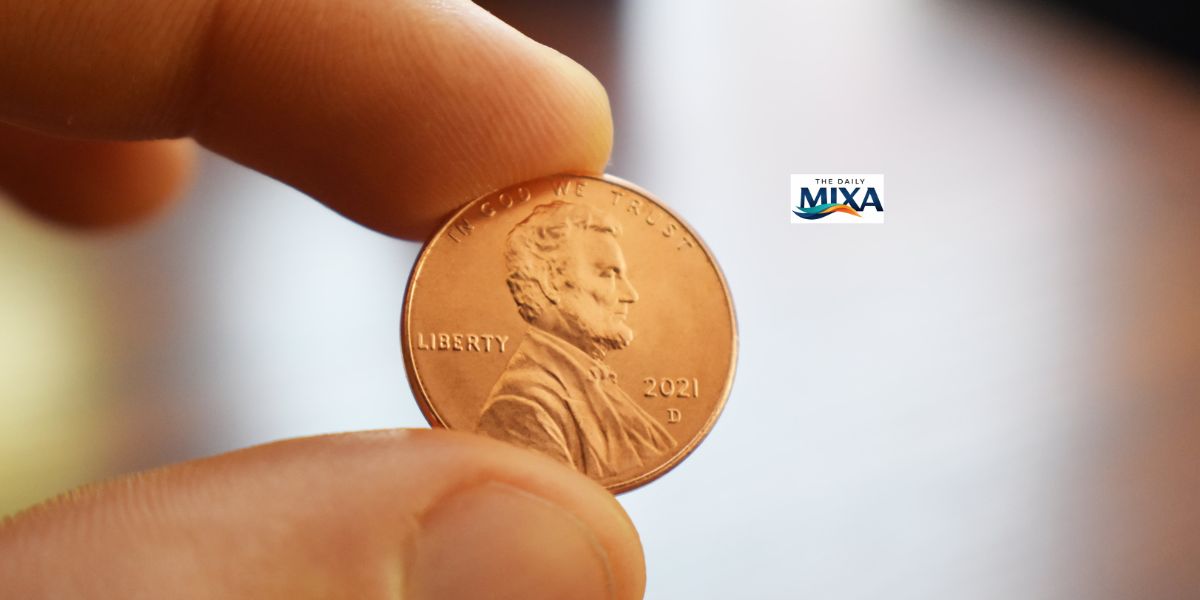
The story of the American nickel begins long before it was actually made of nickel. In 1792, when the United States Mint was founded, the young nation began producing several coins, including the penny, the quarter dime, and a five-cent coin known as the half dime. Unlike the modern nickel, this early five-cent coin was made primarily of silver, much like the ten-cent dime.
At the time, silver coins made sense. Precious metals gave currency intrinsic value and helped people trust the new nation’s money. However, two powerful economic forces eventually challenged this system: rising silver prices and inflation. As the value of silver increased, the metal contained inside a half dime eventually became worth more than the coin’s five-cent face value. This created a predictable problem. Instead of using the coins for transactions, people began melting them down and selling the silver for profit.
By the time of the American Civil War, the problem had become serious enough that the government had to act. To prevent coins from being melted for their metal value, the mint replaced the silver five-cent coin with one made primarily from nickel and copper. This new coin was officially named the nickel, both to reflect its material and to signal that it no longer contained valuable silver.
For a while, the solution worked. Nickel was cheaper than silver, making it unprofitable to melt the coin down. Yet the same economic forces that destroyed the silver half dime continued to operate. Over the next century, inflation steadily reduced the purchasing power of five cents. Meanwhile, the cost of producing the coin—including its metal and manufacturing expenses—slowly increased.
Eventually, the United States found itself in a strange situation: the government was losing money by minting nickels. Today, the metal inside a nickel costs more than five cents, and when manufacturing expenses are included—such as machinery, labor, facilities, and administration—the total cost of producing a single nickel can reach roughly 14 cents. With the United States Mint producing about 1.5 billion nickels each year, the government effectively spends far more than the coins are worth, resulting in annual losses exceeding $100 million.
In a purely economic sense, the logical solution would be simple: stop producing nickels. After all, the purpose of physical currency is to make everyday transactions easier. Yet nickels increasingly fail at that task. Their purchasing power is extremely limited; it is nearly impossible to buy anything with a single nickel today. Many vending machines refuse to accept them, and their primary function has become making exact change. Even that role can be inefficient, as searching for a small coin in a pocket or purse often wastes time in busy transactions.
The United States has faced similar situations before. Historically, coins have been discontinued when they lost their practical value. For example, the half-cent coin was eliminated in 1857 because it had become too insignificant to justify continued production. Interestingly, when the half-cent was discontinued, its purchasing power was actually greater than that of today’s dime.
Another forgotten coin was the three-cent piece, sometimes called the trime, which was created to solve specific economic problems in the 19th century. Once those issues disappeared, the coin quietly vanished from circulation.
These historical examples demonstrate that currencies evolve with economic realities. If inflation continues to erode the value of small denominations, it may eventually make sense to remove them from circulation. Some economists argue that eliminating the nickel—and perhaps even the penny—would simplify transactions by rounding prices to the nearest ten cents.
Whether or not the United States ultimately retires the nickel, its history illustrates a fascinating paradox: sometimes the cost of making money becomes greater than the money itself. When that happens, a coin designed to facilitate commerce may instead become an economic burden.