Stretch Wrap: Everything You Have to Know
Durable stretch wrap for secure palletizing and shipping protects goods from dust, moisture, and damage in transit.
Author
Super Admin
Published
2/23/2026
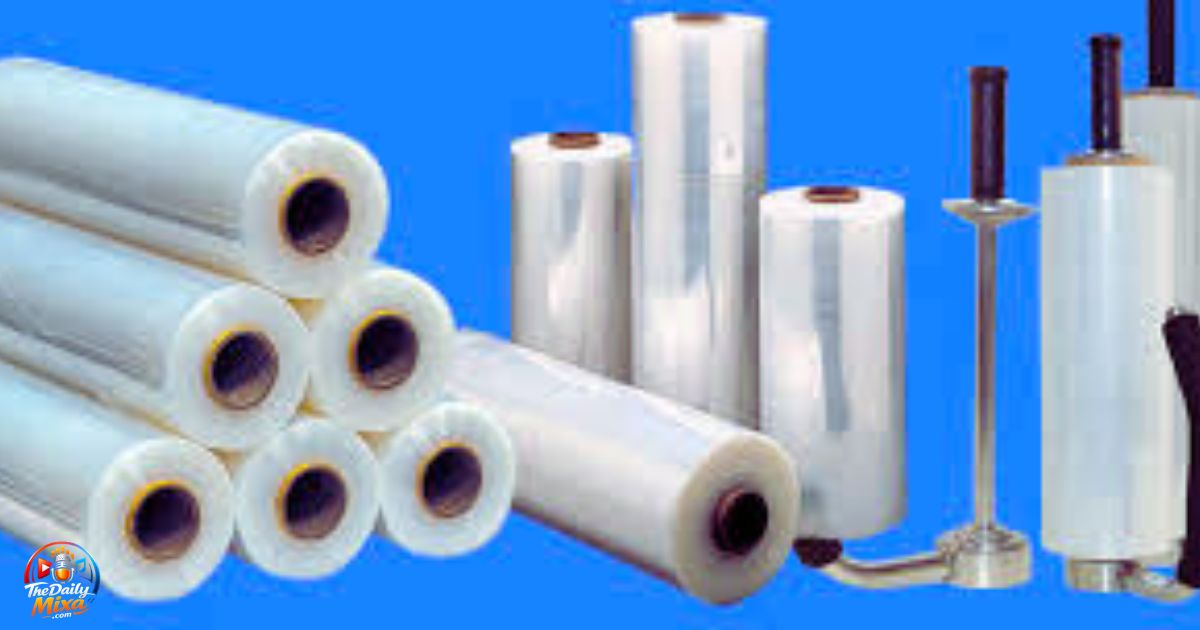
Stretch Wrap is a highly versatile packaging material widely used in warehouses, logistics, and retail industries to secure products during storage and transportation. Made from strong, stretchable plastic film, it tightly wraps around items to keep them stable, protected, and organized. Businesses rely on stretch wrap to prevent shifting, dust buildup, and moisture damage while goods are in transit. It is especially useful for pallet wrapping, ensuring loads remain intact throughout shipping. Compared to other packaging materials, stretch wrap offers flexibility, durability, and cost efficiency. Whether for small businesses or large distribution centers, it plays a vital role in modern shipping protection and efficient warehouse operations.
What is a Stretch Wrap?
Stretch wrap, or stretch film, is a very stretchy plastic film often produced from Linear Low-Density Polyethylene (LLDPE). It is wrapped around products usually goods placed on pallets where it tightly holds them in place with its elastic recovery. Such a basic yet potent device prevents product loss, deters load tampering, and reduces the risk of worker injury by stabilizing and securing goods.
Available in various widths, thicknesses, and types, stretch wrap can be tailored to meet different packaging needs, from lightweight retail items to heavy industrial shipments. Whether you’re shipping across the country or storing goods in a warehouse, stretch film provides a cost-effective and reliable way to protect products.
Characteristics of Stretch Wrap
Thickness
Stretch wrap comes in different levels of thickness, typically in microns (µm) or gauge. Thickness selection directly influences the film's durability and functionality:
● Heavy Gauge (20–35 µm / 80–140 gauge): Most appropriate for heavy loads or for products with sharp edges. More puncture-resistant and can withstand higher levels of stress, so more suitable for industrial applications.
● Lighter Gauge (10–15 µm / 40–90 gauge): Used for lighter products where cost savings are a priority. They offer sufficient protection without excess use of material, thus being economical.
Width
Stretch film is usually stocked in widths between 12 inches (30 cm) and 20 inches (50 cm). The width you use will vary depending on the type and size of the product to be wrapped:
● Narrow Widths: Ideal for compact packages or when there needs to be greater control while applying.
● Wider Widths: Ideal for bulkier, larger items or palletized shipments, as they offer greater coverage and enhanced stability.
Types of Stretch Film Wrap
Selecting an appropriate type of stretch wrap is based on your volume of packaging, the type of your products, and the level of efficiency you need to attain. The following are the most prevalent types and their uses:
1. Hand Stretch Film
As the title indicates, hand stretch film is to be applied manually. The roll typically weighs 4–5 kg to facilitate easy handling.
Best suited for: Low-volume packaging or smaller operations where it may not be economically feasible to invest in machinery.
Advantages: Versatile, easy to apply, and no special machinery is needed.
Drawbacks: More time-consuming and less uniform than machine-applied wrap.
2. Machine Stretch Film
Machine stretch film is used with automatic or semi-automatic wrapping machines. Rolls are usually about 15 kg and stretchable up to 300%.
Best suited for: Large volume packaging applications with pallet loads.
Benefits: Provides even application, saves labor, and offers greater load security.
Drawbacks: Involves the purchase of wrapping machinery.
3. Pre-Stretch Wrap
This film is already stretched out in production, so it is thinner and more durable. It takes less pressure to apply and covers more area with less material.
Best for: Companies wishing to reduce material cost savings as well as operator fatigue.
Advantages: Less costly, environmentally friendly, and simpler to apply manually.
Limitations: Will not provide the same degree of load stability as heavier films under extremely high-stress applications.
4. Blown Stretch Film
Made by blowing air into melted film, slow-cooling blown wrap results in a resilient and extremely durable material.
Ideal for: Heavy or odd-shaped loads requiring superior puncture resistance and load retention.
Benefits: Extremely high tear resistance, strong "film memory," one-sided cling (so pallets won't bond together), and less load movement in transit.
Drawbacks: More costly to produce and noisier to rewind.
5. Cast Stretch Film
Cast wrap is produced by cooling the film on rolls, which accelerates manufacturing and saves money in relation to blown film.
Ideal for: Loads where transparency and quiet usage matter.
Benefits: Ideal clarity for scanning barcodes, smooth and noiseless usage, and cost-effective.
Drawbacks: Not as tear-resistant as blown wrap and more susceptible to light reflection.
Commonly Asked Questions About Stretch Wrap
What raw materials are used to manufacture stretch wrap?
Stretch wrap is essentially produced from Linear Low-Density Polyethylene (LLDPE), which is flexible and strong.
Is stretch wrap safe to use on food products?
Yes, food-grade stretch wrap is safe and widely used to wrap, seal, and safeguard foods.
When to apply stretch film wrap?
Apply stretch film to hold goods in storage or transport, particularly for palletized shipments.
How to stretch wrap a pallet?
Position the palletized load, attach the film to the bottom, wrap tightly in a forward direction around the products, and close the film at the top.
What are types of stretch wrap film?
The general types are hand stretch film, machine stretch film, pre-stretch film, blown wrap, and cast wrap.
Conclusion
Stretch wrap has emerged as a crucial aid in contemporary packaging, providing companies with a secure method of protecting, safeguarding, and transporting products with minimum hassle. Its universal applicability from hand-applied film for small-scale enterprises to high-speed machine wraps for large-scale logistics means that it can be applied in almost any sector. With variability in thickness, width, and specialized films like blown, cast, and pre-stretch films, companies have the ability to select the appropriate solution to meet cost, efficiency, and load security requirements.
No matter whether the aim is product loss reduction, tampering prevention, or warehouse efficiency, stretch wrap provides predictable results.