Define Minger: What It Means, Where It Comes From, and How It's Used Today
Want to define minger? Learn what this British slang term means, its origins, how it's used in everyday conversation, and why context matters when using it.
Author
Super Admin
Published
5/28/2026
Introduction
Language is always evolving, and slang gives us a fascinating window into culture, humor, and social dynamics. If you've come across the word "minger" — whether watching a British TV show, scrolling through social media, or chatting with someone from the UK — you might be wondering what it actually means and whether it's okay to use.
In this guide, we'll define minger clearly, trace where the word comes from, look at how it shows up in real conversation, and help you understand the tone and context behind it. By the end, you'll know exactly what someone means when they call something — or someone — a minger.
What Does Minger Mean? A Clear Definition
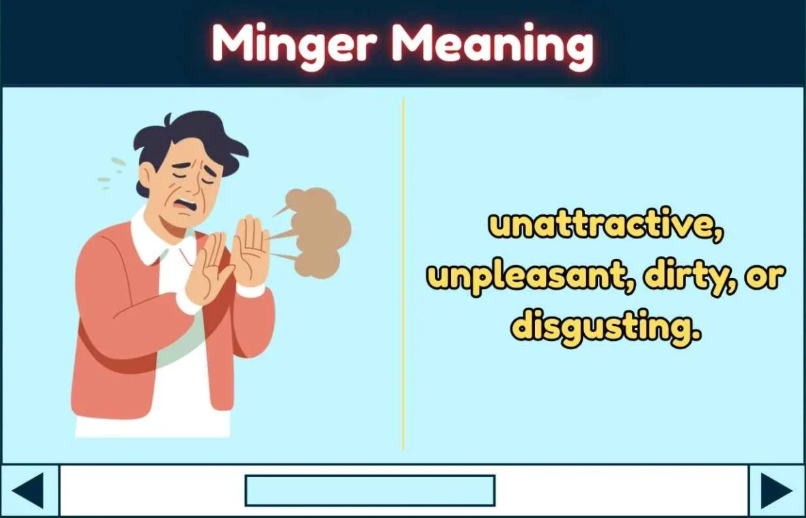
To define minger simply: it's a British slang term used to describe a person or thing considered unattractive, unpleasant, or generally disagreeable. When applied to a person, it typically refers to physical appearance in an unflattering way. When applied to objects, food, or situations, it means something is disgusting, horrible, or of very poor quality.
The adjective form is minging, which is arguably even more common in everyday speech. If something is "minging," it's gross, awful, or deeply unappetizing.
Examples of both words in context:
"That leftover fish in the fridge is absolutely minging."
"He called his ex a minger after the breakup — not exactly his finest moment."
"The weather this week has been a proper minger."
As you can see, the word is versatile. It can describe people, food, weather, situations — really anything the speaker finds repellent or substandard.
Where Did the Word Minger Come From?
Scottish and Northern English Roots
The word's origins are rooted in Scottish and Northern English dialect. It likely derives from the Scots word "ming," meaning a bad smell or stench. From there, a "minger" became someone or something that minged — that is, smelled terrible or was otherwise offensive.
Spread Through British Pop Culture
By the 1990s and early 2000s, minger had spread well beyond its regional origins and entered mainstream British slang. Television programs, especially comedies and reality shows, helped push the word into wider use across England, Scotland, Wales, and Northern Ireland. It became a fixture in playground banter, casual conversation, and tabloid headlines.
Today the word is widely understood across the UK, even by people who wouldn't necessarily use it themselves.
How Is Minger Used in Everyday British Speech?
As an Insult
At its most direct, minger is used as a personal insult aimed at someone's looks. This is its harshest application, and it carries real sting. Using it this way about a real person — especially to their face or in public — is considered rude and unkind, regardless of how casually it might be thrown around in some social groups.
As Lighthearted Banter
Among close friends in the UK, minger and minging are often used in a teasing, affectionate way — much like how friends might good-naturedly mock each other's fashion choices or questionable food preferences. Context and tone do a lot of the heavy lifting here.
To Describe Non-Human Things
This is probably the least controversial use. Saying a meal is "minging," that a public toilet is "a proper minger," or that Monday morning traffic is "minging" doesn't target anyone personally. This usage is common even among people who'd never use the word as a personal insult.
Is Minger Offensive? Understanding the Tone
Yes — it can be. Whether minger is offensive depends heavily on context, intent, and relationship.
Calling a stranger or acquaintance a minger is generally considered rude and hurtful, particularly when it targets physical appearance. Body-based insults cause real harm, and this word is no exception when weaponized.
However, when used between close friends as banter, or directed at inanimate things rather than people, most British speakers would consider it fairly mild slang — on par with saying something is "gross" or "rank."
The key rule: know your audience, and think before using it about a real person.
Minger vs. Minging: What's the Difference?
These two words come from the same root but function differently in a sentence.
Minger is a noun. It names the person or thing being described: "That movie was a total minger."
Minging is an adjective. It describes a quality: "That movie was absolutely minging."
Both are widely used, but minging tends to appear more frequently in everyday speech, especially in phrases like "it tastes minging" or "what a minging smell."
Frequently Asked Questions About Minger
Is "minger" a British-only word?
Primarily, yes. Minger and minging are distinctly British slang terms, most common in the UK. While Australians and some other English-speaking communities may recognize it, the word rarely appears in American or Canadian English.
Can minger ever be used as a compliment?
No. Unlike some slang terms that have been reclaimed or flipped in meaning, minger has not taken on a positive connotation. It is always used negatively, whether mildly or harshly.
Is minger appropriate in professional settings?
Not at all. Minger — like most informal slang — is unsuitable in workplace, academic, or formal social settings. Stick to casual conversation among people you know well if you use it at all.
How is minger pronounced?
It rhymes with "singer" and "finger" — MING-er, with a hard G. The "g" is not silent.
Is minging the same as "manky"?
They overlap. Both "minging" and "manky" are British slang for something disgusting or unpleasant. They're often interchangeable, though "manky" can also suggest something is dirty or unclean specifically, while "minging" has a slightly wider range.
Conclusion: Now You Can Confidently Define Minger
To sum it up: minger is a British slang word for something or someone perceived as unattractive, unpleasant, or disgusting. It comes from Scottish dialect roots, spread through UK pop culture, and is still widely used today — though its impact ranges from light banter to a genuine insult depending on how and where it's said.
Language is a living thing, and slang like minger reflects the personality and humor of the culture it comes from. Understanding it helps you follow British conversations more naturally — and decide for yourself whether it belongs in your own vocabulary.
Interested in exploring more British slang and its origins? Bookmark this page and explore our growing glossary of everyday expressions from around the English-speaking world.